

For many dog owners, artificial grass can be a practical alternative to natural grass, offering a cleaner, low-maintenance surface for everyday play and outdoor use. It can help reduce muddy paws, withstand frequent activity, and make pet waste easier to manage. However, artificial grass is not completely maintenance-free, and factors such as upfront cost, surface heat, drainage, and odor control should also be considered.
So, is artificial grass good for dogs? In many cases, yes—but the overall experience depends on the turf itself, how well it is installed, and how regularly it is maintained. In this guide, we’ll look at the main pros and cons of artificial grass with dogs and the key features to consider when choosing a pet-friendly surface.
| Pros of artificial grass with dogs | Cons of artificial grass with dogs |
| No pests, allergens, or chemicals | Costly upfront expenses |
| Clean and beautiful | Can heat up in direct sunlight |
| Durable and long-lasting | Potential for odour buildup |
| Easy to clean and maintain | Doesn’t last forever |
| Perfect for playful activities |
Advantages of artificial turf with dogs
If you’ve explored the realm of synthetic grass, you’re likely acquainted with benefits like water conservation and minimal maintenance. However, does installing artificial grass align with the needs of our canine companions?
Let’s now shift our focus to the advantages:
No pests, allergens, or chemicals
Artificial turf can reduce exposure to some common issues associated with natural lawns, such as grass pollen, mud, and pests. It also does not require routine fertilizers, herbicides, or pesticides to maintain its appearance. However, materials vary between products and manufacturers, so pet owners should check the product specifications and available safety testing when choosing turf for dogs.
Clean and beautiful
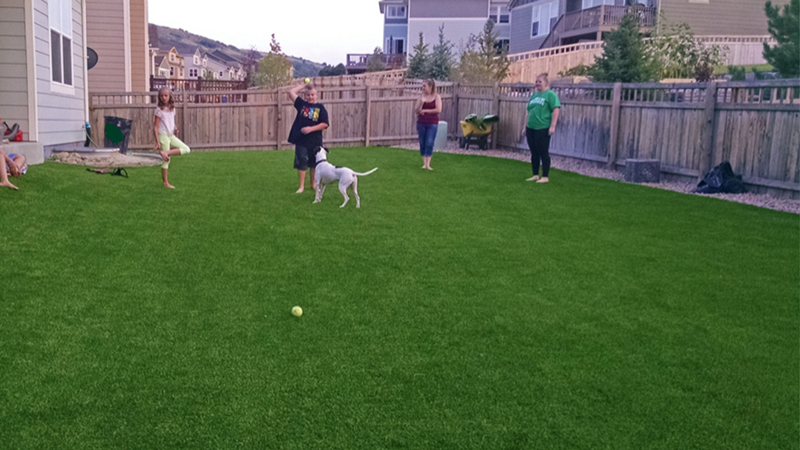
Synthetic grass can help maintain a clean and attractive outdoor space without the mud, yellow patches, or bare spots that can occur with natural grass. It stays green and consistent in appearance throughout the year, while regular cleaning helps keep the surface fresh for pets and their owners.
Durable and long-lasting
Designed to withstand regular foot traffic and energetic play, artificial pet turf is well suited to dogs that spend a lot of time outdoors. Its resilient, UV-resistant, and weather-resistant properties help it maintain its appearance and performance over time, while it is less likely than natural grass to develop worn or bare patches from frequent use.
Easy to clean and maintain
Thanks to its permeable backing, artificial grass allows liquid waste to drain through the surface rather than remain on top. Solid waste should be picked up promptly, while regularly rinsing high-use areas helps remove residue and keep the turf fresh. Compared with natural grass, where waste can be harder to spot among uneven or longer grass, artificial turf makes routine cleanup more straightforward.
Perfect for playful activities
Synthetic turf transforms into a haven for play, providing dogs with a delightfully soft surface. It creates an ideal setting for carefree family moments, with a smooth and level surface that ensures safe play. This makes it perfect for both kids and dogs to frolic and have fun, encouraging joyous interactions between family members and their furry companions.
Disadvantages of artificial turf for dogs
However, artificial turf also has some drawbacks to consider.
Costly upfront expenses
Artificial grass for pets may entail a higher initial cost than real grass or alternatives. Factors like area size, material quality, and installation fees contribute to this expense. However, it’s important to weigh this against the potential long-term savings from reduced maintenance and lawn care.
Can heat up in direct sunlight
Fake grass absorbs heat in direct sunlight, potentially causing discomfort for pets, especially on scorching summer days. Pet owners may need to implement measures to cool down the artificial grass, such as spraying water on it or providing shaded areas. Also, some artificial turf suppliers offer turf and infill with cooling features, helping keep your dog cool during hot weather.
Potential for odor buildup
Unlike natural grass, fake grass won’t develop yellow or bare patches from dog urine. However, repeated urine exposure can still lead to unpleasant odors if liquid or residue accumulates in the turf or underlying layers. This can be more noticeable in frequently used areas, particularly when drainage or routine cleaning is inadequate.
Doesn’t last forever
Like any outdoor surface, artificial grass has a limited lifespan and is affected by factors such as usage, foot traffic, yarn type, installation quality, and maintenance. A well-maintained, high-quality artificial lawn typically lasts 8–10 years or even longer. However, replacing artificial turf can involve a higher upfront cost than repairing or reseeding a natural grass lawn.
How to choose pet-friendly artificial grass?
Building on the advantages and considerations of artificial grass for dogs, let’s turn our attention to choosing the best for your furry friend with pet-friendly design features.
| Pet-friendly design features | Why it matters |
| PE & PP materials | Polyethene (PE) grass is soft and durable, while the curly, soft polypropylene (PP) thatch layer enhances the realistic look and provides a comfortable paw feel for pets. |
| Short pile height | An optimal pile height of about 25mm is more suitable for high-frequency use, providing a surface that is easy to clean and quickly manages solid waste. |
| Yarn resilience & density | The turf should handle your dog’s energetic play with a bouncier, denser yarn that resists flattening; an ideal weight is 70–90 ounces. |
| Fully permeable backing | Excellent urine and water drainage ensure a dry surface, preventing waterlogging and facilitating pet waste disposal. |
| Antimicrobial protection | Inhibits the growth of bacteria and mould, promoting a fresher, hygienic environment and preventing odours. |
| UV resistance | Prevents fading and ensures longevity despite prolonged sun exposure. |
Each design feature contributes to creating a pet-friendly environment that enhances comfort, safety, and overall satisfaction for both you and your beloved pet. Your pet will thank you with wagging tails and endless playtime in their newfound haven.
Frequently asked questions about artificial grass for dogs
Is artificial grass safe for pets?
Artificial grass can be a suitable option for dogs, but safety depends on the materials used, product quality, installation, and maintenance. When choosing turf for pets, check the product specifications and available safety testing for the materials used. Surface temperature, drainage, and cleanliness are also important for keeping the area comfortable and suitable for regular use.
Will dogs pee and poop on artificial grass?
Yes. Most dogs can be trained to pee and poop on artificial grass just as they do on natural grass. Once they become familiar with the surface, artificial grass can serve as a designated potty area for dogs. Its consistent surface also makes waste easier to spot and remove.
If your dog needs time to adjust, see our guide on training your dog to use fake grass for practical tips.
Does dog pee damage fake grass?
Dog urine generally does not cause the yellowing or bare patches that can occur on natural grass. However, repeated exposure to urine can contribute to odor buildup if it does not drain away properly or residue accumulates over time. The turf itself is generally resistant to this type of staining, but the overall turf system still needs suitable drainage and routine care.
Can dogs dig up fake grass?
No, with proper installation, digging is virtually impossible on synthetic turf. Our pet turf is designed, manufactured, and tested to resist even the most persistent diggers, ensuring long-lasting durability.
How long does fake grass last with dogs?
The lifespan of artificial turf depends on factors such as usage, foot traffic, yarn type, installation quality, and maintenance. For areas used regularly by dogs, quality synthetic grass can typically last 6–8 years or even longer with proper installation and care, although actual lifespan may vary depending on the level of use and maintenance.
How to maintain artificial grass for dogs, including handling waste?
- Waste handling: Manage dog waste by regularly rinsing urine, promptly picking up solid waste, and rinsing the area with water if residue remains. Train your dog to potty in a specific area for easier maintenance.
- Clear debris: Regularly sweep off pet hair, debris, and fallen leaves from the turf.
- Regular rinsing: Periodic rinsing helps remove dirt and keeps it looking fresh.
- Gentle brushing: Gently groom the grass blades to keep them upright and prevent matting.
- Swift stain action: Combat spots and messes promptly with mild soap and water, thwarting residue buildup.
What do you put under artificial grass for dogs?
Under artificial grass, a proper base is essential to ensure drainage, durability, and comfort for your dog. Typically, the base consists of compacted crushed stone or gravel, which allows liquids to drain through easily. A weed barrier fabric may also be added to prevent unwanted growth.
In some pet turf installations, a shock pad may also be included for added cushioning, making the surface more comfortable and reducing stress on your dog’s joints.
Conclusion: Is pet turf worth it?
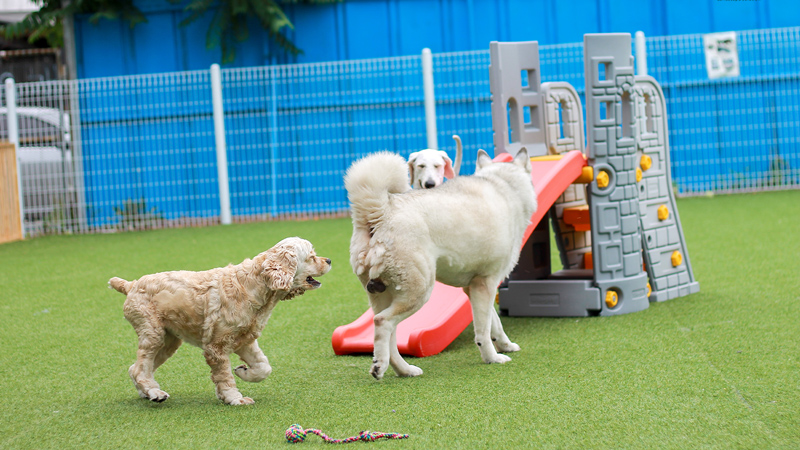
Artificial grass for dogs isn’t a one-size-fits-all solution—but for many pet owners, it’s been a game-changer.
One Reddit user shared that after dealing with a constantly muddy backyard, two energetic dogs, and never-ending cleaning, they finally decided to install pet-friendly turf. Even though they weren’t sure it would be worth the cost—especially since they might move in a few years—they now say it completely changed how they use their outdoor space. No more muddy paw prints, no more digging, and a much more enjoyable home life.
For pet owners facing similar struggles, artificial turf can be a practical, long-term solution that brings both comfort and convenience.